2026-03-31 Product News
Can membrane filtration support resource recovery from sewage sludge?
This is one of the questions a three-year development research initiative, funded by the Danish Environmental Protection Agency through its MUDP program, will investigate within the framework of resource recovery from sewage sludge. The work forms part of the EXTRACT project, which focuses on the extraction of biopolymers for use in circular recycling systems.
Launched in February 2026, the project is assessing the feasibility of recovering naturally occurring biopolymers, specifically extracellular polymeric substances (EPS), produced by microorganisms in sludge. By isolating and recovering these compounds, researchers aim to evaluate their suitability as high-value materials, with the potential to replace polymer binders currently derived from crude oil or petrochemical by-products.
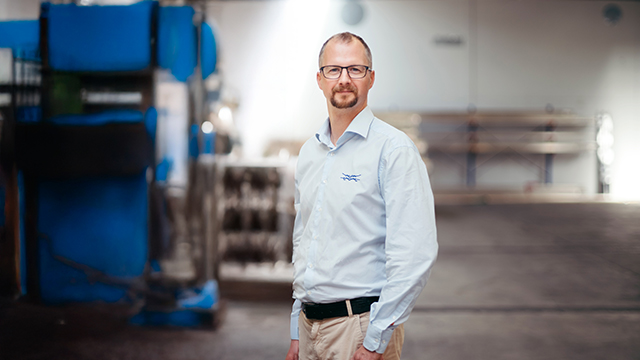
Technical success alone is not enough. Solutions must also be viable from environmental, operational and commercial perspectives," says Emmanuel Joncquez, a process engineer at Alfa Laval specializing in wastewater treatment solutions and representing the company in the EXTRACT project.
He notes that selecting advanced treatment systems requires a comprehensive assessment of technical performance alongside economic and environmental factors. The research therefore adopts a holistic framework to identify the most appropriate available technologies.
Reducing emissions through resource utilization
In Denmark, wastewater treatment plants generate approximately 140,000 tons of sewage sludge each year. This material is typically anaerobically digested to produce biogas, applied to agricultural land, or incinerated. These management pathways are associated with both greenhouse gas emissions and economic costs, providing a key driver for identifying more sustainable and cost-effective alternatives.
Preliminary estimates indicate that extracting valuable resources from wastewater sludge such as biopolymers could reduce the volume of residual sludge by up to 15-25% without compromising biogas production. If implemented across Denmark’s total sludge output, the approach could potentially deliver annual carbon dioxide savings of up to 20,000 tons.
Industrial partners, including CRH Products and Munck Asfalt, are participating in the project as end users, representing the concrete and asphalt sectors. These industries have historically relied on fossil-based polymers, and the incorporation of sludge-derived biopolymers could contribute to reducing their carbon footprint. Alfa Laval is contributing to the EXTRACT project as the sole technology supplier.
Testing and demonstrating our technology and expertise will support the extraction of value from what had been seen as a costly waste,” Joncquez adds.
The project, carried out in collaboration with Aarhus University and the utility company Aarhus Vand, will start with laboratory research at the university, followed by pilot scale trials at Alfa Laval Nakskov to evaluate process performance under representative operating. Subject to favorable outcomes, the project will then advance to onsite pilot testing at the Marselisborg Wastewater Treatment Plant to assess full-scale applicability.
What is the role of membrane filtration?
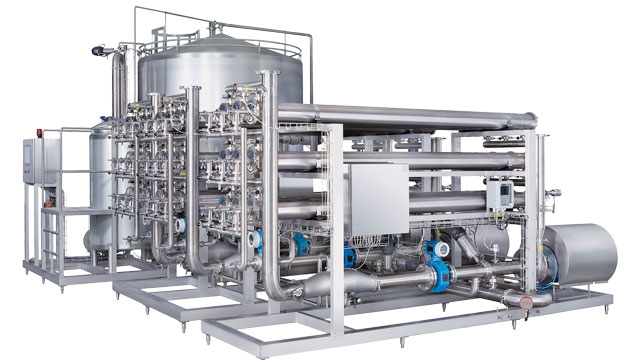
Membrane filtration is being investigated as a key enabling technology in both the extraction and downstream processing of biopolymers. Potential applications include water purification and the use of recovered biopolymers as flocculants in wastewater treatment processes.
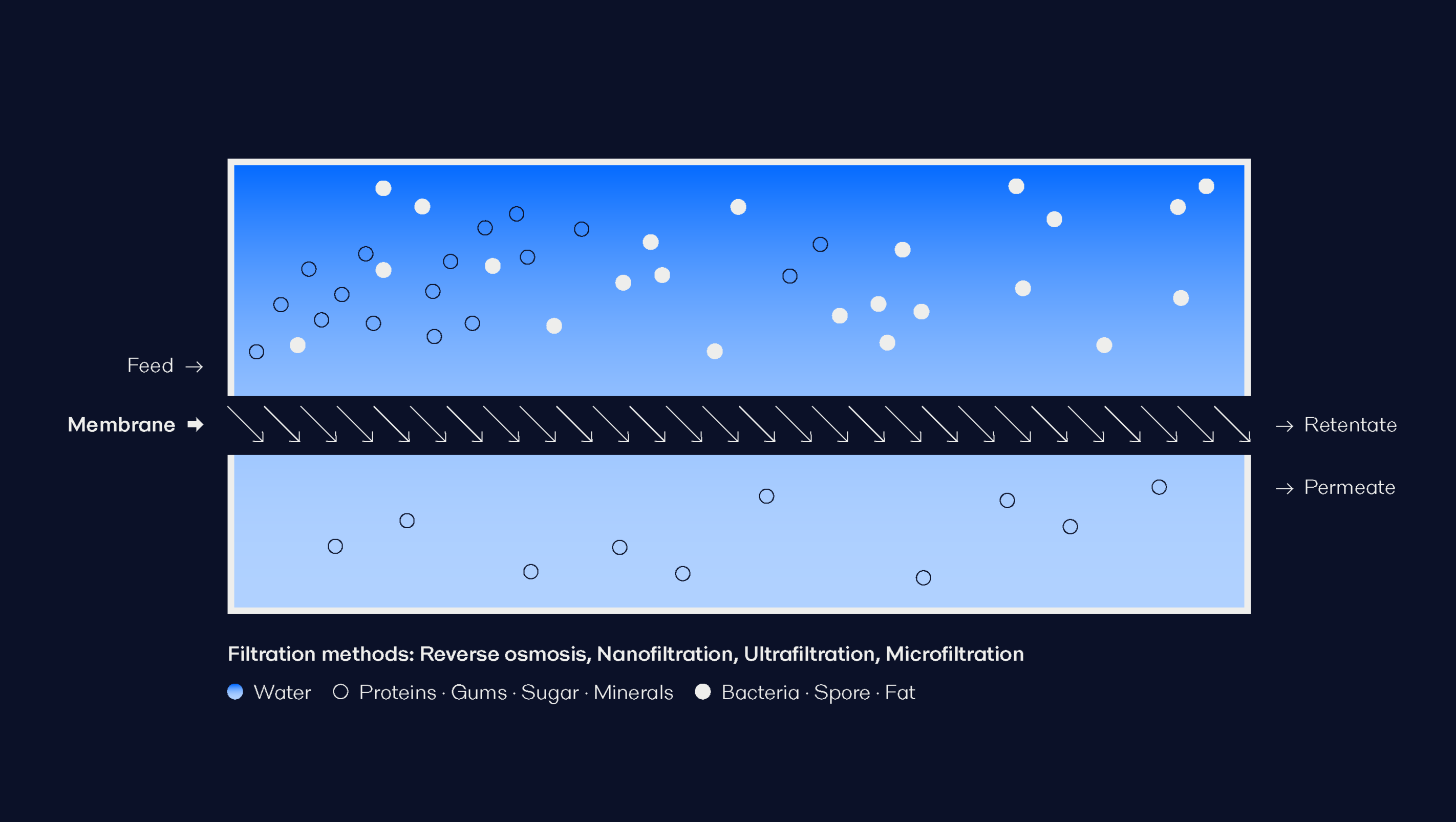
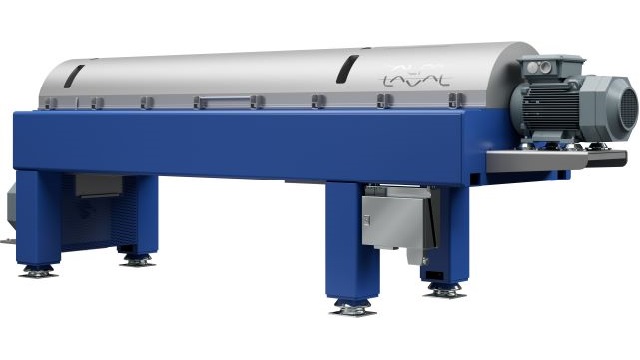
In the process, we will work with extraction from activated sludge and employ a range of technologies including different mechanical separation technologies combined with heat treatment and membrane systems for final purification,” Joncquez explains.
Membrane filtration technologies, commonly categorized as microfiltration (MF), ultrafiltration (UF), nanofiltration (NF) and reverse osmosis (RO), allow for the progressive removal of particles and dissolved substances. Microfiltration and ultrafiltration are widely used as post-treatment steps to improve effluent quality, particularly where treated wastewater is reused for irrigation or industrial applications. They also serve as pre-treatment stages for reverse osmosis systems in wastewater treatment and seawater desalination.
Although often associated with disinfection, membrane filtration can also contribute to the extraction of nutrients, further enhancing the role of membranes in advanced wastewater treatment and resource recovery systems.
With a three-year project horizon, initial efforts will focus on assessing whether concentrations of micropollutants in the recovered biopolymers remain within acceptable regulatory limits. If proven viable at scale, the approach could support the development of more sustainable polymer production pathways, with Alfa Laval positioned as a provider of integrated technology solutions.
EXTRACT project
EXTRACT stands for Extraction of biopolymers from sewage sludge for circular recycling.
The project runs from 1 February 2026 to 31 December 2028, with a total budget of DKK 10.35 million, of which DKK 5.17 million is funded through the MUDP grant.
The project brings together partners from across the entire value chain to enable a comprehensive assessment of the environmental, technical and commercial viability of sludge-derived biopolymers. The consortium includes Aarhus Vand, Aarhus University, Alfa Laval, Vandcenter Syd, Aalborg Forsyning, CRH Products, Munck Gruppen and Envidan.
Alfa Laval contributes to the EXTRACT project as the technology solution supplier.